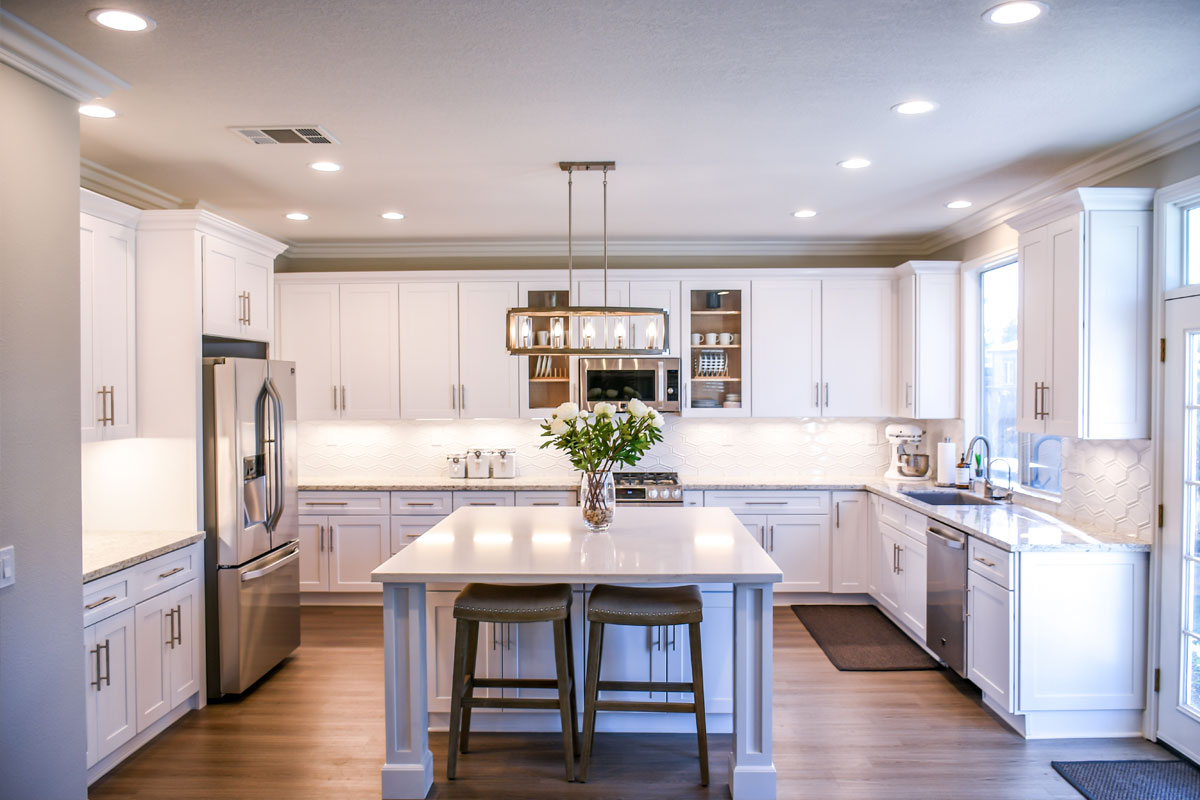
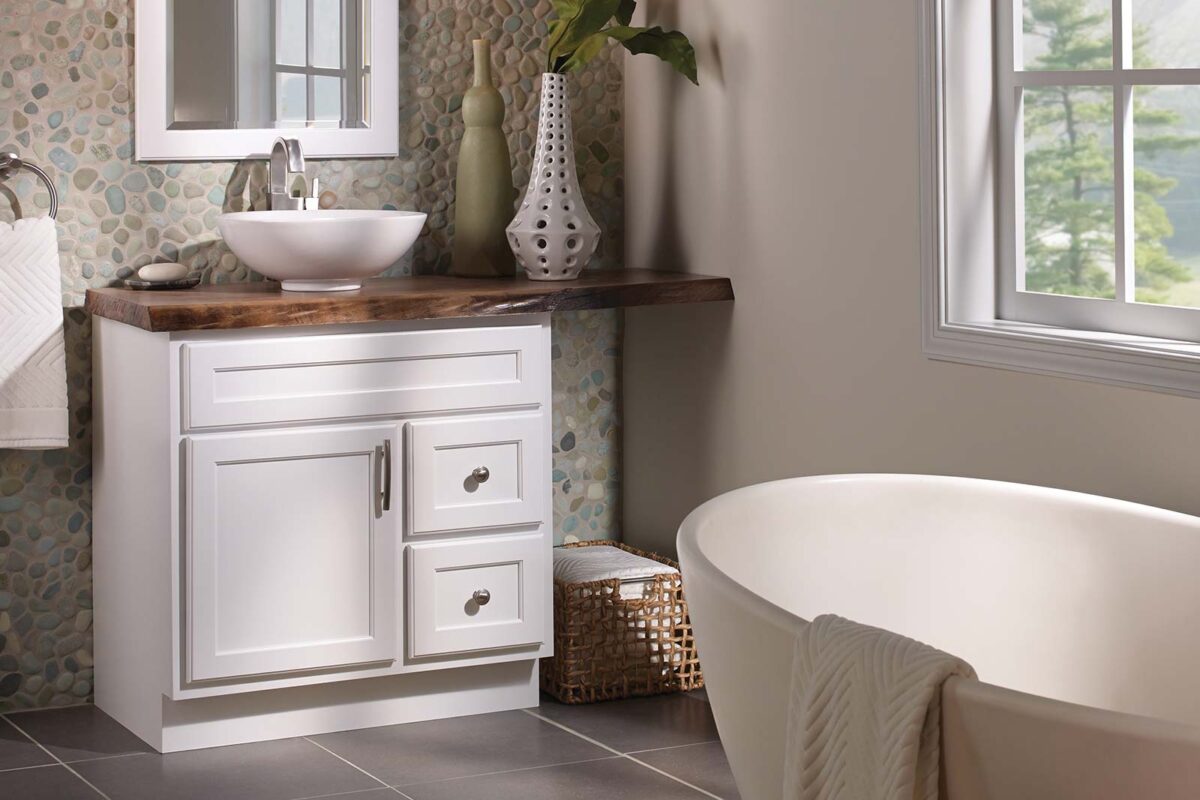
Kitchen cabinets are the backbone of every kitchen. Beyond providing essential storage for utensils, dishes, and food, they define the overall style, functionality, and usability of the space. Choosing the right kitchen cabinets involves understanding their design, material options, innovative features, and maintenance needs.
Kitchen Cabinet Design and Aesthetics
When it comes to kitchen cabinets, style plays a huge role in setting the mood of your space. Here are the most popular design styles:
1. Traditional Kitchen Cabinets
- Detailed woodworking, raised panels, and ornate designs.
- Rich, warm wood tones such as cherry or mahogany.
- Perfect for homeowners seeking a timeless, elegant look.
2. Modern Kitchen Cabinets
- Streamlined designs with flat surfaces and clean lines.
- Often incorporate metallic finishes, high-gloss laminates, or glass panels.
- Ideal for contemporary homes with minimalistic aesthetics.
3. Transitional Kitchen Cabinets
- A blend of traditional warmth and modern simplicity.
- Neutral colors, sleek hardware, and balanced functionality.
- Great for those who want versatility in kitchen design.
4. Rustic Kitchen Cabinets
- Built with reclaimed wood or distressed finishes.
- Creates a cozy, homely, farmhouse-inspired atmosphere.
- Earthy tones and natural textures add character to the kitchen.
itchen Cabinet Materials
Choosing the right material determines both durability and appearance.
- Wood Cabinets: Timeless, versatile, and can be stained or painted in various shades.
- Laminate Cabinets: Budget-friendly, easy to maintain, and available in endless designs.
- Metal Cabinets: Stainless steel or aluminum options for a sleek, industrial look.
- Glass-Front Cabinets: Add openness and create a stylish display for dinnerware.
Smart Kitchen Cabinet Storage Innovations
Modern kitchens benefit from smart storage systems that improve accessibility and organization:
- Lazy Susans: Rotating trays to maximize corner space.
- Pull-Out Shelves: Allow easy access to deep cabinet interiors.
- Vertical Dividers: Perfect for baking sheets, trays, and cutting boards.
- Built-in Spice Racks: Keep spices organized and within reach.
Types of Kitchen Cabinets by Height
Understanding cabinet placement is key to both design and functionality.
- Base Cabinets: Rest on the floor, supporting countertops (typically 36 inches tall).
- Wall Cabinets: Mounted on the wall, customizable in height depending on ceiling.
- Tall Cabinets: Extend from floor to ceiling, ideal for storing appliances or pantry goods.
Kitchen Cabinet Hardware Choices
Small details like knobs, handles, and pulls play a big role in your kitchen’s look:
- Vintage-style pulls for a classic touch.
- Sleek, contemporary knobs for modern kitchens.
- Push-to-open systems for a minimalist, handle-free design.
Maintenance and Longevity of Kitchen Cabinets
To extend the life of your cabinets:
- Wipe down surfaces regularly to prevent grease buildup.
- Refinish or repaint wooden cabinets when needed.
- Choose durable materials to reduce long-term replacement costs.
Eco-Friendly Kitchen Cabinets
Sustainability is a growing priority for homeowners. Consider:
- Bamboo Cabinets: Fast-growing, durable, and renewable.
- Reclaimed Wood Cabinets: Unique textures with minimal environmental impact.
- Eco-friendly finishes and adhesives with low VOC emissions.
You can check our general category for more articles like “Kitchen Cabinets: The Heart of Your Home’s Storage”
Choosing the Best Kitchen Cabinets
Kitchen cabinets are more than just storage solutions they define the flow, function, and style of one of the most important rooms in your home. Whether you’re remodeling, building a new kitchen, or simply exploring options, understanding kitchen cabinet designs, materials, storage solutions, and eco-friendly choices will help you create a space that blends style, durability, and functionality.
You may also be interested in: