Categories General

Creating a Cohesive Kitchen: How to Match Cabinets with Flooring and Countertops

Creating a Cohesive Kitchen: How to Match Cabinets with Flooring and Countertops

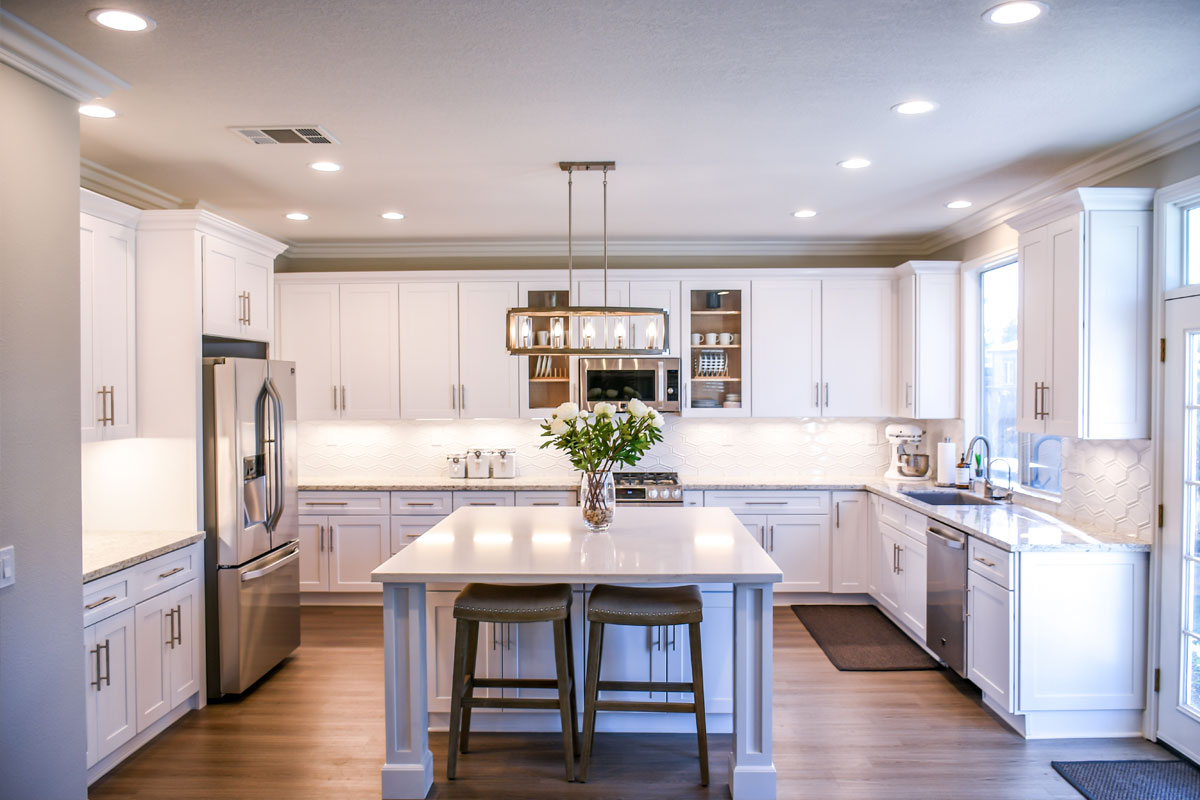
Designing a kitchen that feels stylish, welcoming, and balanced starts with one core principle: cohesion. Since your cabinets, flooring, and countertops are the most visible elements in the room, the relationship between these three surfaces defines the overall atmosphere. Whether you envision a sleek modern kitchen or a warm, traditional setting, the secret to success lies in choosing materials and finishes that work together seamlessly. In this guide, we’ll show you how to coordinate cabinets, flooring, and granite countertops to achieve a polished, harmonious kitchen design.

Begin with the Cabinet Color

Cabinets usually dominate the visual landscape of your kitchen, which makes them the natural starting point for your design plan. Think of them as the anchor around which all other decisions revolve.

  • Light cabinets such as white, cream, or soft gray instantly brighten a space, making smaller kitchens feel open and airy.
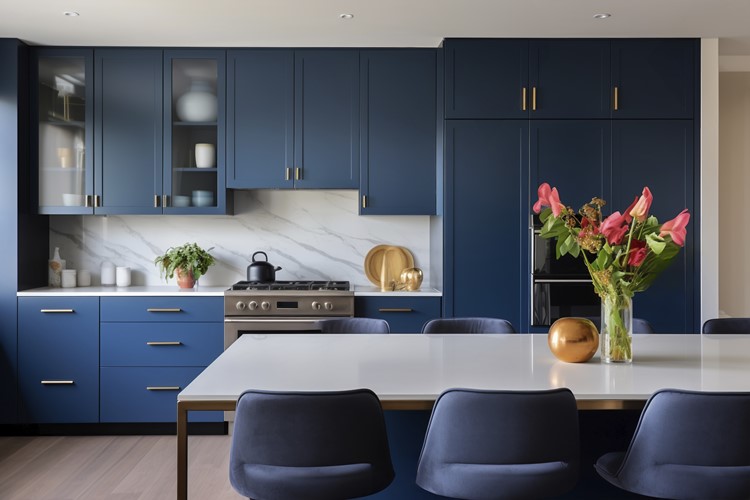
  • Dark cabinets like espresso, navy, or deep green add sophistication and drama, particularly in larger kitchens where they won’t overwhelm.

At Plus Cabinet, you’ll find a wide variety of wholesale cabinet finishes, from modern flat-panel to timeless shaker styles, giving you the freedom to match your aesthetic vision and the proportions of your space. Once your cabinet color is chosen, you can begin layering in flooring and countertop selections that complement and enhance it.

Balance Flooring with Cabinet Tones
Balance Flooring with Cabinet Tones

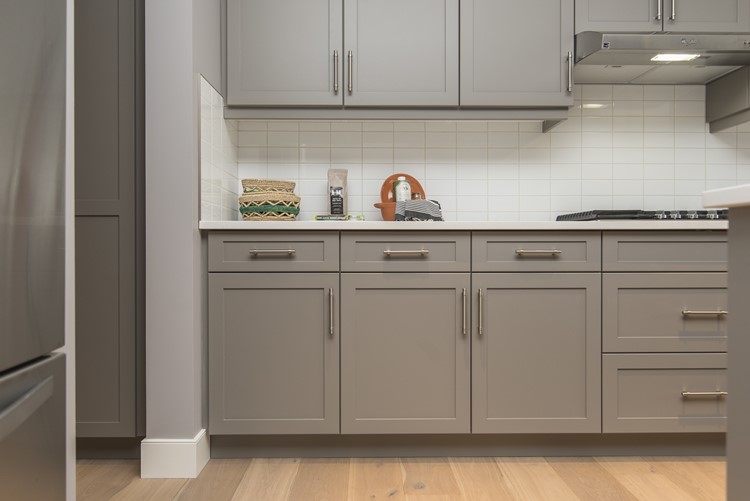
Your kitchen floor and cabinets should never compete; instead, they should either contrast elegantly or flow together with tonal variation.

  • If you choose dark cabinets, consider lighter flooring options such as natural oak, stone-look tile, or light luxury vinyl to keep the room from feeling heavy.
  • For light cabinets, grounding them with warm or mid-toned floors adds coziness and creates a welcoming atmosphere.

Avoid flooring that is too close in color to your cabinets, as this can flatten the design. Instead, aim for a small but noticeable difference in either hue or texture. Natural wood flooring and wood-look products pair beautifully with both painted and stained cabinets, infusing the kitchen with warmth and character.

Select Granite Countertops That Tie It All Together

Granite is more than just durable it’s the element that bridges your cabinets and flooring, creating visual continuity. Because granite comes in such a wide array of colors and patterns, it can easily pull together contrasting finishes.

For example:

  • With white shaker cabinets and medium-toned wood flooring, a granite like Giallo Ornamental (with its soft cream background and warm flecks) creates harmony.
  • With charcoal cabinets and gray-toned floors, a granite such as Alaska White or River White introduces brightness while echoing both dark and light tones.

The key is to look for slabs that feature shades found in your cabinet and flooring choices. This creates a cohesive flow without overwhelming the eye.

Consider Texture and Finish for Depth

While color is crucial, texture and finish also influence how cohesive your kitchen feels.

  • Matte cabinets often pair best with natural wood or textured flooring.
  • Glossy cabinets complement polished granite and sleek floor finishes.

If your cabinetry has a uniform, smooth surface, a subtly patterned granite adds movement and interest. Conversely, if your cabinets feature strong wood grain or distinctive detailing, a granite with a more consistent tone maintains balance.

Keep in mind the sheen levels across surfaces: combining high-gloss cabinets, shiny floors, and polished granite can be too reflective, while mixing matte, satin, and polished finishes creates layers of depth.

Use Accent Elements for Visual Continuity

The finishing touches can make your kitchen feel intentional rather than pieced together. Accent details like:

  • Backsplashes that include flecks of your countertop stone
  • Hardware finishes that echo your flooring undertones
  • Lighting and seating choices that reflect your overall palette

These subtle reinforcements help unify your design, ensuring that your cabinets, floors, and countertops feel connected rather than separate.

You can check our general category for more articles like “Creating a Cohesive Kitchen: How to Match Cabinets with Flooring and Countertops”

Build a Kitchen That’s Balanced and Beautiful

A cohesive kitchen doesn’t mean everything has to match exactly it means everything works in harmony. By starting with your cabinet color, pairing it with complementary or contrasting flooring, and tying it together with the perfect granite countertop, you’ll create a kitchen that feels inviting, functional, and visually stunning.

At Plus Cabinet, we offer an extensive selection of wholesale kitchen cabinets to help you bring your dream kitchen to life without compromising on style or value. Whether you’re planning a full remodel or a simple refresh, our high-quality materials and expert guidance will ensure your space is both timeless and personalized.

Ready to design a kitchen that’s as cohesive as it is beautiful? Visit Plus Cabinet today and let us help you create the perfect space.

You may also be interested in:

How to Care for Painted Cabinets: Maintenance Tips That Preserve the Finish

Kitchen Cabinets: The Heart of Your Home’s Storage

Understanding Kitchen Cabinets: An In-depth Look

Categories General

How to Care for Painted Cabinets: Maintenance Tips That Preserve the Finish
How to Care for Painted Cabinets: Maintenance Tips That Preserve the Finish
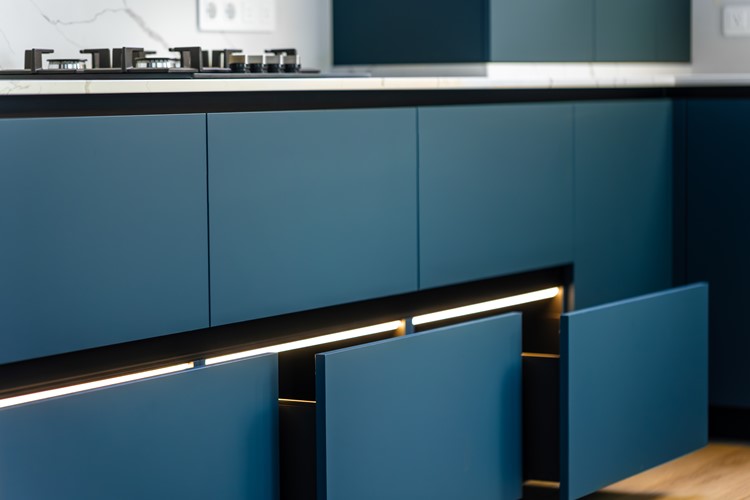
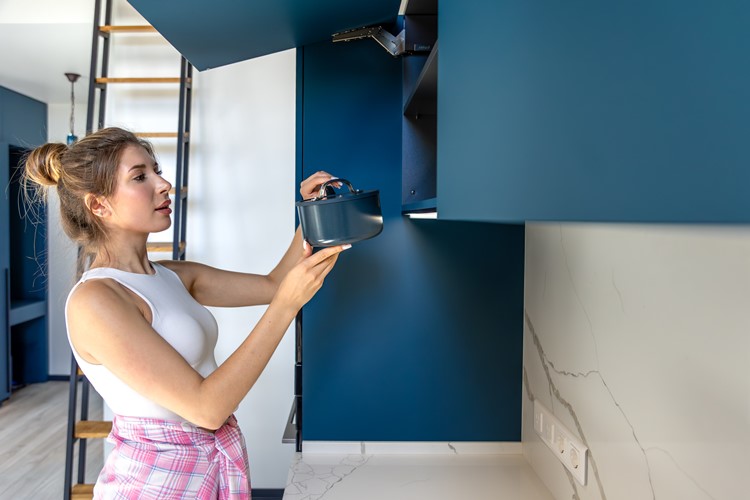
When it comes to upgrading your kitchen or bathroom, painted cabinets add elegance, color, and personality. However, keeping them in pristine condition requires proper care and attention. How to Care for Painted Cabinets: Maintenance Tips That Preserve the Finish is not just about cleaning, but also about protecting the paintwork and extending the life of your investment.
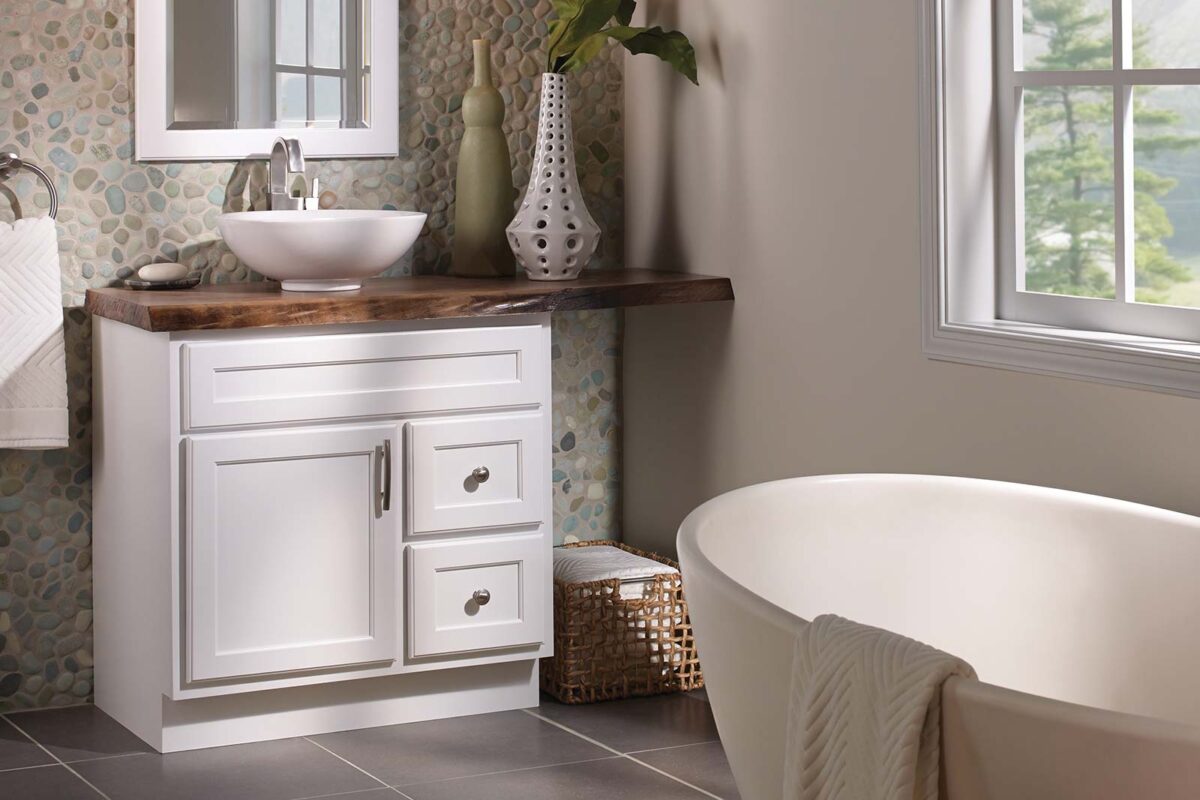
Many homeowners underestimate the importance of consistent maintenance. Painted cabinets face daily exposure to grease, moisture, and frequent handling. Without the right routine, the paint finish deteriorates quickly, leading to peeling, scratches, and fading. By following the right care strategies, your kitchen cabinets retain their charm, durability, and functionality for years to come.

Why Painted Cabinets Need Special Care

Painted cabinets, unlike stained or laminated surfaces, have a topcoat that gives them their vibrant appearance. This painted layer is durable, but it is also more sensitive to daily wear and tear. Exposure to sunlight, cleaning chemicals, and water spots affects the longevity of the finish. When neglected, the paint chips or discolors, making the entire kitchen cabinet look outdated.

To ensure lasting beauty, maintenance routines should focus on protecting the paint. This includes gentle cleaning techniques, using non-abrasive products, and preventing excess moisture. Regular dusting and quick response to spills are essential. Think of your painted cabinets as a painted wall in a high-traffic area—they need consistent, gentle upkeep.

Furthermore, homeowners often overlook small habits that create long-term damage. Slamming cabinet doors, using harsh sponges, or leaving greasy fingerprints slowly break down the finish. Addressing these habits is as crucial as cleaning. By adopting preventive strategies, you ensure your painted kitchen cabinets stay smooth, glossy, and resistant to everyday use.

Cleaning Techniques for Painted Cabinets

Cleaning Techniques for Painted Cabinets

Cleaning painted cabinets is the first step in preserving their look. Using the wrong products scratches or dulls the surface, while the right approach enhances their finish. A consistent cleaning routine prevents grease buildup and discoloration, especially in busy kitchens.

Choosing the Right Cleaning Products

The safest way to clean painted cabinets is by using mild dish soap diluted in warm water. Avoid strong chemicals like bleach, ammonia, or abrasive powders, as they strip away the paint and leave streaks. For deeper cleaning, a mixture of vinegar and water works effectively to cut grease without damaging the finish. Always use a soft microfiber cloth instead of rough sponges or steel wool.

Daily and Weekly Maintenance Routines

A simple daily wipe-down prevents dirt accumulation. After cooking, quickly clean cabinet surfaces near the stove to eliminate grease before it hardens. On a weekly basis, dedicate time to gently clean the cabinet doors, handles, and corners. This consistent routine ensures the painted cabinets remain spotless and vibrant.

Handling Stubborn Stains Without Damage

For tougher stains such as food splatters or oily fingerprints, apply a baking soda paste (baking soda mixed with a small amount of water). Rub gently with a cloth in circular motions, then rinse with clean water. This method lifts stains without scratching the paint. Always dry the surface thoroughly to prevent moisture-related issues.

Preventing Damage to Painted Cabinets

Preventive care plays a key role in extending the life of painted cabinets. Beyond cleaning, certain habits and protective measures safeguard the paint finish.

Avoiding Excess Moisture

Moisture is the biggest enemy of painted cabinets. Avoid leaving wet cloths or sponges in contact with the surface. Install proper ventilation in your kitchen to reduce humidity and wipe cabinets dry after exposure to water.

Protecting Against Scratches and Chips

Always use cabinet handles instead of pulling on the painted surfaces. Adding soft-close hinges prevents slamming, which minimizes chipping at the edges. Consider placing felt bumpers inside the doors for added protection.

Sunlight Protection for Long-Lasting Color

Direct sunlight fades painted finishes over time. If your kitchen cabinets are near a window, install blinds or UV-blocking films to reduce exposure. Regularly rotate decorative items on open shelves to prevent uneven fading.

Long-Term Maintenance and Touch-Ups

Even with the best care, painted cabinets eventually require touch-ups. Minor scratches and chips can be repaired easily, preventing them from spreading into larger flaws.

Performing Small Touch-Ups

Keep leftover cabinet paint or request a small sample from your manufacturer. Use a fine brush to carefully dab paint over chips and scratches, blending it with the surrounding area. A clear protective coat can also be applied for added durability.

When to Repaint or Refinish Cabinets

If cabinets show widespread discoloration or peeling, a full repainting or refinishing may be necessary. Unlike replacing cabinets, refinishing is cost-effective and restores their original charm. Regular touch-ups delay this process, extending the overall life of your painted kitchen cabinets.

Professional Maintenance for Painted Cabinets

While DIY care goes a long way, professional cabinet services offer deep cleaning, refinishing, and protective treatments that keep cabinets looking brand new. Experts use specialized tools and non-damaging solutions that extend the paint’s lifespan.

Benefits of Professional Services

Hiring a professional ensures thorough care, especially for older cabinets with wear and tear. Professionals can identify early signs of paint damage, moisture infiltration, or loose hardware that homeowners often overlook.

Choosing the Right Cabinet Experts

When selecting a professional service, choose companies with expertise in painted kitchen cabinets. Look for customer reviews, before-and-after photos, and maintenance guarantees. A reliable provider like Plus Cabinet not only enhances cabinet aesthetics but also ensures long-lasting performance.

You can check our general category for more articles like “How to Care for Painted Cabinets: Maintenance Tips That Preserve the Finish”

Keep Your Kitchen Cabinets Beautiful for Years

Maintaining painted cabinets requires consistency, the right products, and preventive care. From gentle cleaning methods to moisture control, every step contributes to preserving the finish. Regular touch-ups and occasional professional help keep your cabinets looking as stunning as the day they were installed.

Your kitchen is the heart of your home, and your cabinets define its style. Treat them with care, and they reward you with durability and timeless elegance. Start today with the simple tips shared in this guide, and let your painted kitchen cabinets stay flawless for years.

For professional solutions and expert guidance, visit Plus Cabinet and give your cabinets the attention they deserve.

You may also be interested in:

Kitchen Cabinets: The Heart of Your Home’s Storage

Understanding Kitchen Cabinets: An In-depth Look

Categories Kitchen

Kitchen Cabinets: The Heart of Your Home’s Storage

Kitchen cabinets are the backbone of every kitchen. Beyond providing essential storage for utensils, dishes, and food, they define the overall style, functionality, and usability of the space. Choosing the right kitchen cabinets involves understanding their design, material options, innovative features, and maintenance needs.

Kitchen Cabinet Design and Aesthetics

When it comes to kitchen cabinets, style plays a huge role in setting the mood of your space. Here are the most popular design styles:

1. Traditional Kitchen Cabinets

  • Detailed woodworking, raised panels, and ornate designs.
  • Rich, warm wood tones such as cherry or mahogany.
  • Perfect for homeowners seeking a timeless, elegant look.

2. Modern Kitchen Cabinets

  • Streamlined designs with flat surfaces and clean lines.
  • Often incorporate metallic finishes, high-gloss laminates, or glass panels.
  • Ideal for contemporary homes with minimalistic aesthetics.

3. Transitional Kitchen Cabinets

  • A blend of traditional warmth and modern simplicity.
  • Neutral colors, sleek hardware, and balanced functionality.
  • Great for those who want versatility in kitchen design.

4. Rustic Kitchen Cabinets

  • Built with reclaimed wood or distressed finishes.
  • Creates a cozy, homely, farmhouse-inspired atmosphere.
  • Earthy tones and natural textures add character to the kitchen.

itchen Cabinet Materials

Choosing the right material determines both durability and appearance.

  • Wood Cabinets: Timeless, versatile, and can be stained or painted in various shades.
  • Laminate Cabinets: Budget-friendly, easy to maintain, and available in endless designs.
  • Metal Cabinets: Stainless steel or aluminum options for a sleek, industrial look.
  • Glass-Front Cabinets: Add openness and create a stylish display for dinnerware.

Smart Kitchen Cabinet Storage Innovations

Modern kitchens benefit from smart storage systems that improve accessibility and organization:

  • Lazy Susans: Rotating trays to maximize corner space.
  • Pull-Out Shelves: Allow easy access to deep cabinet interiors.
  • Vertical Dividers: Perfect for baking sheets, trays, and cutting boards.
  • Built-in Spice Racks: Keep spices organized and within reach.

Types of Kitchen Cabinets by Height

Understanding cabinet placement is key to both design and functionality.

  • Base Cabinets: Rest on the floor, supporting countertops (typically 36 inches tall).
  • Wall Cabinets: Mounted on the wall, customizable in height depending on ceiling.
  • Tall Cabinets: Extend from floor to ceiling, ideal for storing appliances or pantry goods.

Kitchen Cabinet Hardware Choices

Small details like knobs, handles, and pulls play a big role in your kitchen’s look:

  • Vintage-style pulls for a classic touch.
  • Sleek, contemporary knobs for modern kitchens.
  • Push-to-open systems for a minimalist, handle-free design.

Maintenance and Longevity of Kitchen Cabinets

To extend the life of your cabinets:

  • Wipe down surfaces regularly to prevent grease buildup.
  • Refinish or repaint wooden cabinets when needed.
  • Choose durable materials to reduce long-term replacement costs.

Eco-Friendly Kitchen Cabinets

Sustainability is a growing priority for homeowners. Consider:

  • Bamboo Cabinets: Fast-growing, durable, and renewable.
  • Reclaimed Wood Cabinets: Unique textures with minimal environmental impact.
  • Eco-friendly finishes and adhesives with low VOC emissions.

You can check our general category for more articles like “Kitchen Cabinets: The Heart of Your Home’s Storage”

Choosing the Best Kitchen Cabinets

Kitchen cabinets are more than just storage solutions they define the flow, function, and style of one of the most important rooms in your home. Whether you’re remodeling, building a new kitchen, or simply exploring options, understanding kitchen cabinet designs, materials, storage solutions, and eco-friendly choices will help you create a space that blends style, durability, and functionality.

You may also be interested in:

Understanding Kitchen Cabinets: An In-depth Look

Categories Kitchen

Understanding Kitchen Cabinets: An In-depth Look

At the heart of every kitchen lies a crucial element: kitchen cabinets. These are not just storage units or wooden boxes attached to the walls. Instead, they represent functionality, aesthetics, and the true spirit of any cooking space. They store culinary tools, hide snacks, and showcase elegant dinnerware. In essence, kitchen cabinets complete your kitchen both practically and visually.

Historical Evolution of Kitchen Cabinets

To fully appreciate the importance of kitchen cabinets, it’s essential to understand their history. In the past, kitchens had no built-in cabinets. People relied on open shelves or standalone furniture such as cupboards and hutches. Over time, as home design and storage needs evolved, the concept of built-in kitchen cabinets was born. Today’s modern cabinets seamlessly combine practicality with aesthetics, offering homeowners a wide selection of designs, finishes, and materials.

Types of Kitchen Cabinets

When designing or remodeling a kitchen, choosing the right type of cabinet is key. Here are the most common types:

1. Base Cabinets

Also known as lower cabinets, these are positioned directly on the floor. They serve as the foundation of the kitchen, supporting countertops and heavy appliances like dishwashers or ovens.

2. Wall Cabinets

Mounted on the wall, these cabinets provide easy access to everyday items. They are perfect for eye-level storage and help maximize vertical space.

3. Tall Cabinets

Extending from floor to ceiling, tall cabinets act as storage powerhouses. They are often used as pantries or to house large appliances such as built-in ovens.

4. Custom Cabinets

For homeowners seeking a personalized solution, custom kitchen cabinets offer flexibility in design, size, and finish. They are tailored to meet unique functional and aesthetic preferences.

Popular Materials for Kitchen Cabinets

Modern kitchen cabinets come in a variety of materials, each offering distinct advantages:

  • Solid Wood: Durable and timeless, solid wood remains a classic favorite.

  • Plywood: Strong and reliable, often used in high-quality cabinetry.

  • Particleboard: Cost-effective and practical when combined with veneers or laminates.

  • Stainless Steel: A sleek option for modern and industrial kitchen designs.

  • Laminate: Affordable and versatile, available in a wide range of colors and finishes.

Finishes That Define Style

The right finish can transform your cabinets completely. From the rustic charm of distressed wood to the elegance of stained oak or the modern shine of high-gloss laminates, finishes define the overall look and feel of your kitchen.

Functional Features in Modern Kitchen Cabinets

Contemporary cabinets go beyond looks—they enhance kitchen efficiency. Key functional features include:

  • Soft-close drawers for silent operation

  • Adjustable shelves for flexible storage

  • Pull-out trays for easy access

  • Integrated LED lighting for style and practicality

These features ensure that kitchen cabinets not only look good but also improve daily usability.

Kitchen Cabinet Design Trends

If you are renovating or remodeling, staying updated with the latest trends is essential. The top kitchen cabinet trends include:

  • Open Shelving: Adds an airy, modern vibe to kitchens.

  • Deep Drawers: Ideal for bulky pots and pans.

  • Hidden Storage: Keeps countertops clean and clutter-free.

  • Glass-Front Cabinets: Perfect for showcasing elegant dinnerware.

  • Bold Colors: Rich hues such as navy blue, emerald green, and terracotta are replacing traditional neutrals.

How to Care for Kitchen Cabinets

Proper care and maintenance can extend the life of your cabinets. Here are some essential tips:

  • Regular Cleaning: Wipe surfaces with a damp cloth to remove dust and grime.

  • Avoid Direct Sunlight: Prevents fading and discoloration over time.

  • Use Liners: Protects shelves and drawers from spills, stains, and scratches.

Final Thoughts: Why Kitchen Cabinets Matter

Kitchen cabinets are more than just storage—they are the backbone of every kitchen design. From enhancing functionality to elevating aesthetics, they play a vital role in shaping your cooking space. Whether you are building a new kitchen or upgrading an old one, investing in the right cabinets ensures a perfect balance of style, durability, and practicality.